

Health
True health is achieved by balancing the mind, body, and spirit.

Vitamin E is a powerful antioxidant that plays a crucial role in maintaining good health. Known scientifically as alpha-tocopherol, it is vital for protecting the body's cells from oxidative damage caused by free radicals. This nutrient is fat-soluble, meaning it is stored in the body's fatty tissue and liver, making it particularly effective at preventing oxidative stress in lipid-rich cell membranes.
Vitamin E provides numerous health benefits, making it an essential part of a balanced diet. Its primary function is as an antioxidant, helping protect cells from damage that can lead to chronic diseases such as heart disease, cancer, and Alzheimer's. Additionally, Vitamin E supports immune function, ensuring your body can effectively fight infections.
Heart Health: Vitamin E plays a vital role in promoting heart health by functioning as a potent antioxidant, actively protecting cells from oxidative stress and reducing inflammation throughout the cardiovascular system. One of its key benefits is its ability to inhibit the oxidation of low-density lipoprotein (LDL) cholesterol, a critical factor in the formation of arterial plaque, which contributes significantly to heart disease. Oxidized LDL cholesterol can build up on artery walls, leading to blockages and increasing the risk of coronary artery disease, heart attacks, and strokes. Regularly consuming foods rich in Vitamin E or appropriate supplementation may therefore significantly contribute to the prevention and management of heart disease.
Skin Health: Vitamin E is highly valued for its powerful benefits to skin health, primarily due to its exceptional antioxidant and skin-nourishing properties. It actively protects the skin by neutralizing damaging free radicals caused by environmental factors such as sunlight exposure, pollution, and stress, helping to prevent premature aging, wrinkles, and other signs of skin damage. Vitamin E also reduces inflammation and supports the skin's natural healing processes, effectively promoting the repair of scars, blemishes, and minor wounds.
Immune Support: Vitamin E is a key nutrient known for its significant role in supporting and enhancing immune system health. As a potent antioxidant, it actively protects immune cells by neutralizing harmful free radicals that can cause oxidative stress and weaken immune function. Regular intake of Vitamin E has been linked to a reduced risk and shorter duration of common illnesses, such as colds and respiratory infections, especially in older adults.
Eye Health: Vitamin E plays a vital role in supporting eye health due to its powerful antioxidant properties, which help protect delicate eye tissues from oxidative stress and cellular damage. By neutralizing harmful free radicals that accumulate from UV exposure, environmental toxins, and normal aging processes, Vitamin E significantly reduces the risk of developing age-related vision problems. Consistent intake of Vitamin E may help lower the likelihood of conditions such as age-related macular degeneration (AMD) and cataracts.
Brain Health: Vitamin E has emerged as an important nutrient for supporting brain health, with growing research highlighting its potential to protect against cognitive decline and neurodegenerative diseases such as Alzheimer’s and dementia. As a powerful antioxidant, Vitamin E combats oxidative stress and inflammation in the brain, reducing damage to neurons and other essential brain cells. Including Vitamin E-rich foods or targeted supplementation in your diet may therefore offer valuable protection for your brain, preserving cognitive health and promoting long-term mental clarity and vitality.
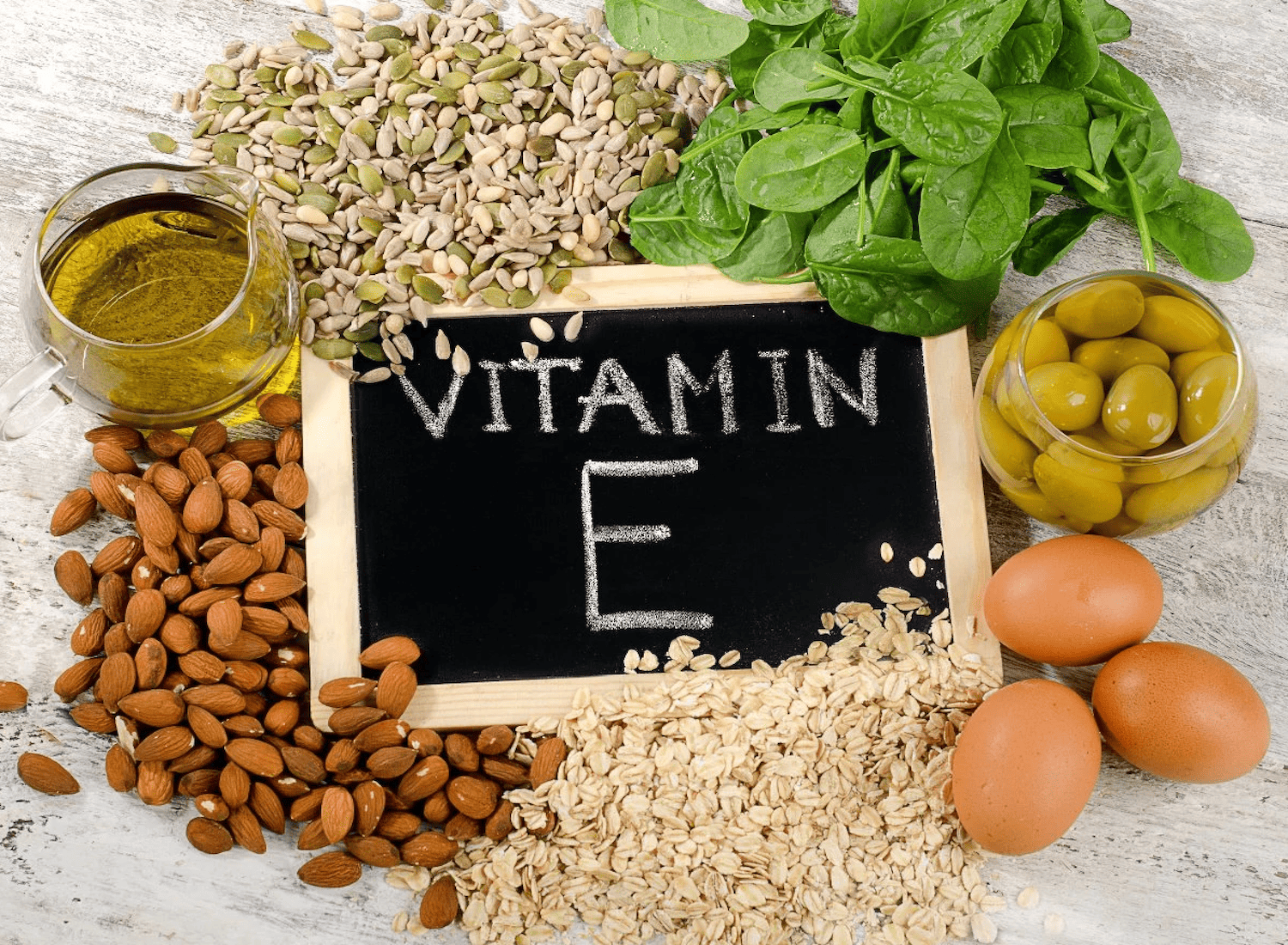
Vitamin E can be found abundantly in various foods. Some of the richest natural sources include:
Vitamin E supplements are widely available for those unable to meet their dietary needs through food alone. High-quality products such as Nature Made Vitamin E Softgels, Solgar Vitamin E Capsules, and Garden of Life Vitamin Code Raw Vitamin E are reputable options. However, it is crucial to consult a healthcare provider before starting supplements, as excessive intake can lead to adverse effects.
The daily recommended amounts for Vitamin E depend on age and health status:
Although rare, Vitamin E deficiency can occur, especially among individuals with digestive system disorders, low-fat diets, or genetic conditions. Symptoms of deficiency include:
If left untreated, severe Vitamin E deficiency can lead to serious health complications, including neurological damage and muscle weakness.
While Vitamin E is essential, excessive intake, particularly through supplementation, can be harmful. High doses can lead to toxicity, causing symptoms like nausea, headache, fatigue, and in severe cases, bleeding disorders. It's vital to adhere to recommended dosages and seek medical advice when considering supplements.
Ensuring adequate Vitamin E intake involves incorporating rich dietary sources into your meals daily. Eating a variety of fruits, vegetables, nuts, and healthy oils is typically sufficient for maintaining optimal Vitamin E levels. Supplements should be considered only under medical guidance, particularly for those at risk of deficiency.
Vitamin E is an indispensable nutrient with profound implications for overall health and longevity. Its antioxidant properties make it essential for protecting against chronic diseases, enhancing immune function, promoting heart and skin health, and potentially supporting cognitive function. Incorporating Vitamin E-rich foods into your diet and carefully managing supplement intake under professional guidance can effectively support your long-term health and wellness goals.